Thousands of video game consoles have been released since 1972. Most are forgotten. A handful defined eras, reshaped industries, and introduced millions of people to gaming for the first time. These are the five that mattered most.
With 155 million units sold, the PlayStation 2 remains the best-selling video game console of all time. But raw sales numbers don't capture why the PS2 is legendary. Its library — spanning over 4,000 games — includes some of the most celebrated titles ever made: Shadow of the Colossus, God of War, Metal Gear Solid 3, Kingdom Hearts, Grand Theft Auto: San Andreas, Final Fantasy X, and hundreds more.
The PS2 also succeeded as a DVD player at a time when dedicated DVD players cost $300 or more. Sony sold the PS2 at or near cost and made it the cheapest entry point to DVD playback on the market — which meant millions of people bought a PS2 primarily as a DVD player and discovered gaming along the way. It stayed in production until 2013, over 12 years after launch. No console has matched its combination of commercial dominance and library depth.
When Nintendo revealed the Switch in late 2016, the concept was deceptively simple: a console that could be played on your TV at home or taken out as a handheld anywhere. The execution was exceptional. The Switch launched alongside The Legend of Zelda: Breath of the Wild — widely considered one of the greatest games ever made — and followed with Super Mario Odyssey, Animal Crossing: New Horizons, Metroid Dread, and dozens of other first-party masterpieces.
With over 140 million units sold, the Switch became the third best-selling console in history. More significantly, it proved that the traditional divide between home consoles and portable gaming was artificial. Every major competitor took note. The concept of "play anywhere" is now a core expectation of modern gaming hardware.
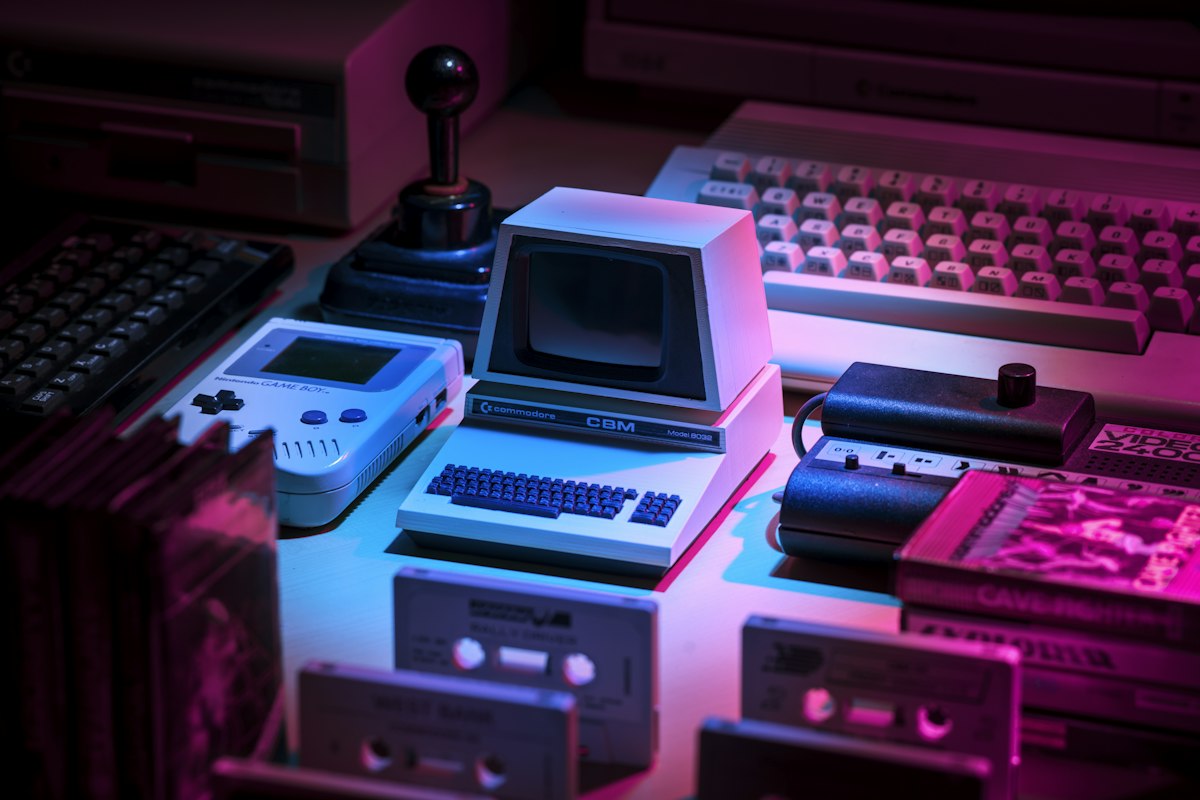
Nintendo's original Game Boy launched in 1989 with a blurry, green-tinted screen that was technically inferior to its competitors (the Sega Game Gear and Atari Lynx both had backlit color screens). Nintendo won anyway — because it had Tetris as a pack-in game, and because the Game Boy's 30-hour battery life made the competition irrelevant.
The Game Boy and its successor, the Game Boy Color, sold a combined 118 million units over an 11-year lifespan. It established the handheld gaming market, defined what portable play meant for a generation, and gave the world Pokémon Red and Blue — which sparked a franchise that became the highest-grossing entertainment franchise in history (over $150 billion). Everything from the DS to the Switch to modern mobile gaming owes something to the humble Game Boy.
By 1985, the North American video game market had collapsed. Atari's failures had convinced retailers and consumers that home gaming was a fad. Nintendo had to convince Sears and Toys"R"Us to stock the NES not as a video game console, but as a children's toy — complete with a robot accessory called R.O.B. and a light gun called the Zapper, just to obscure what it actually was.
The strategy worked. The NES sold 61 million units globally and rebuilt an industry. But more important than the hardware was the software: Super Mario Bros., The Legend of Zelda, Metroid, Mega Man 2, Castlevania, and Duck Tales established franchises and genres that still dominate gaming today. The NES also introduced Nintendo's quality licensing program — ensuring that every NES game met a minimum standard — which restored consumer trust after the Atari chaos. Without the NES, there may have been no PlayStation, no Xbox, no gaming industry as we know it.
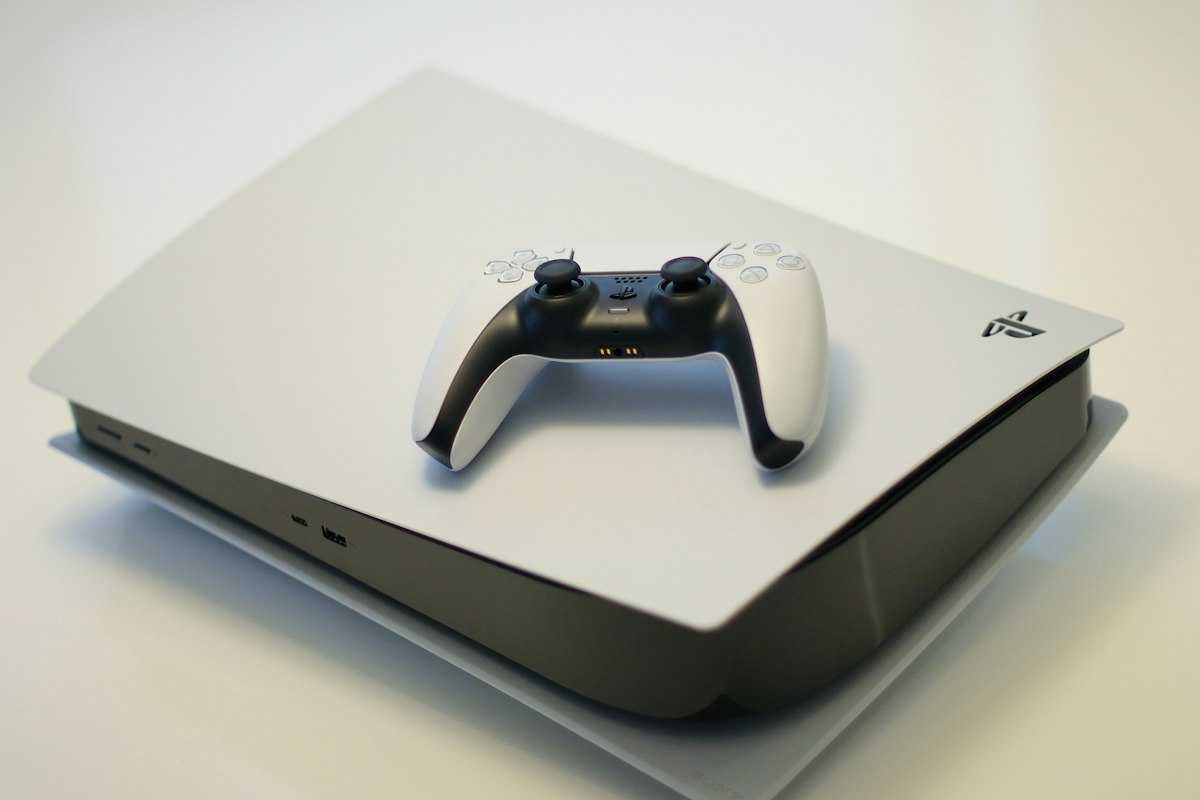
Sony's PlayStation 4 arrived in 2013 and delivered exactly what players wanted after a generation defined by motion controls and multimedia ambitions: a powerful, straightforward gaming machine. With 117 million units sold, it was the platform that gave us The Last of Us Remastered, God of War (2018), Spider-Man, Horizon Zero Dawn, Bloodborne, and Death Stranding — a lineup of exclusive experiences that defined the prestige gaming era.
The PS4 also democratized game streaming, made share buttons standard, and expanded PlayStation Network into a global online community of over 100 million subscribers. As a platform, it brought gaming to new levels of mainstream acceptance — not just in living rooms but in popular conversation, journalism, and award ceremonies that previously ignored the medium.
You don't need a console to experience gaming's greatest classics. ArcadeUnlocked lets you play hundreds of NES and arcade classics directly in your browser — the very games that made these legendary consoles famous.